Customer project Mailer & assembly / United States
US$2.40 Less Delivery Cost. Assembly in Under 3 Minutes.
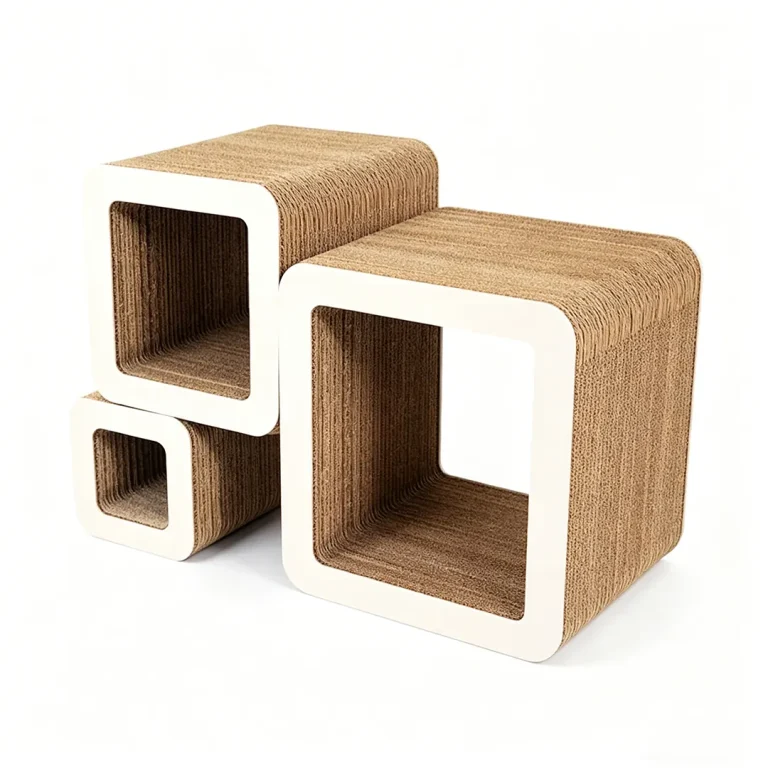
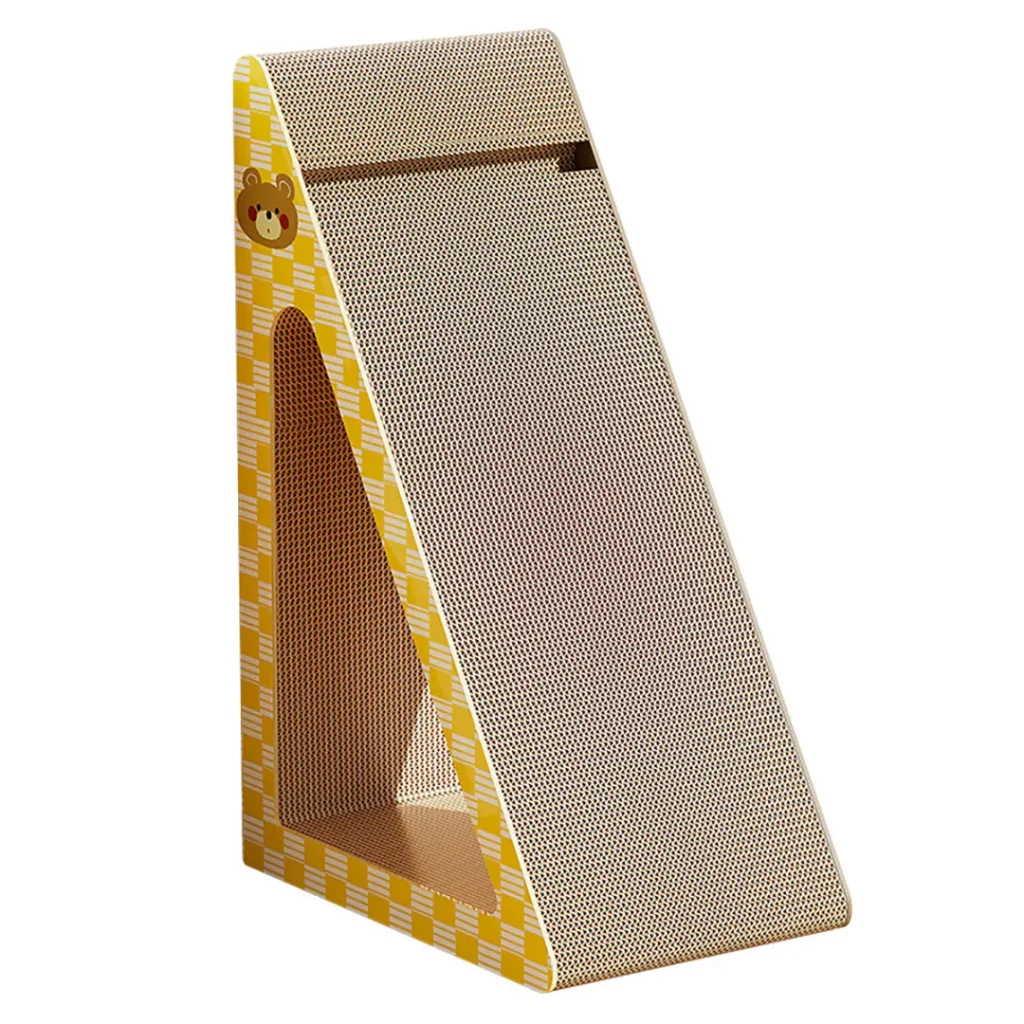
A US e-commerce cat house was expensive to mail and frustrating to build. We replaced the assembly with tool-free locking joints and rebuilt the mailer around the product, cutting weight by 14% and carton damage to 0.4%.
- Buyer
- Leading US e-commerce and direct-to-consumer brand
- Product
- Cardboard cat houses
- Route
- OEM / tool-free assembly and parcel pack
Less delivery cost per unit
- Less delivery cost per unit
- $2.40
- Assembly, previously 15 min
- <3 min
- Assembly/accessory returns
- −82%
01 / THE BUYER’S PROBLEM
Customers paid in assembly time; the brand paid in returns
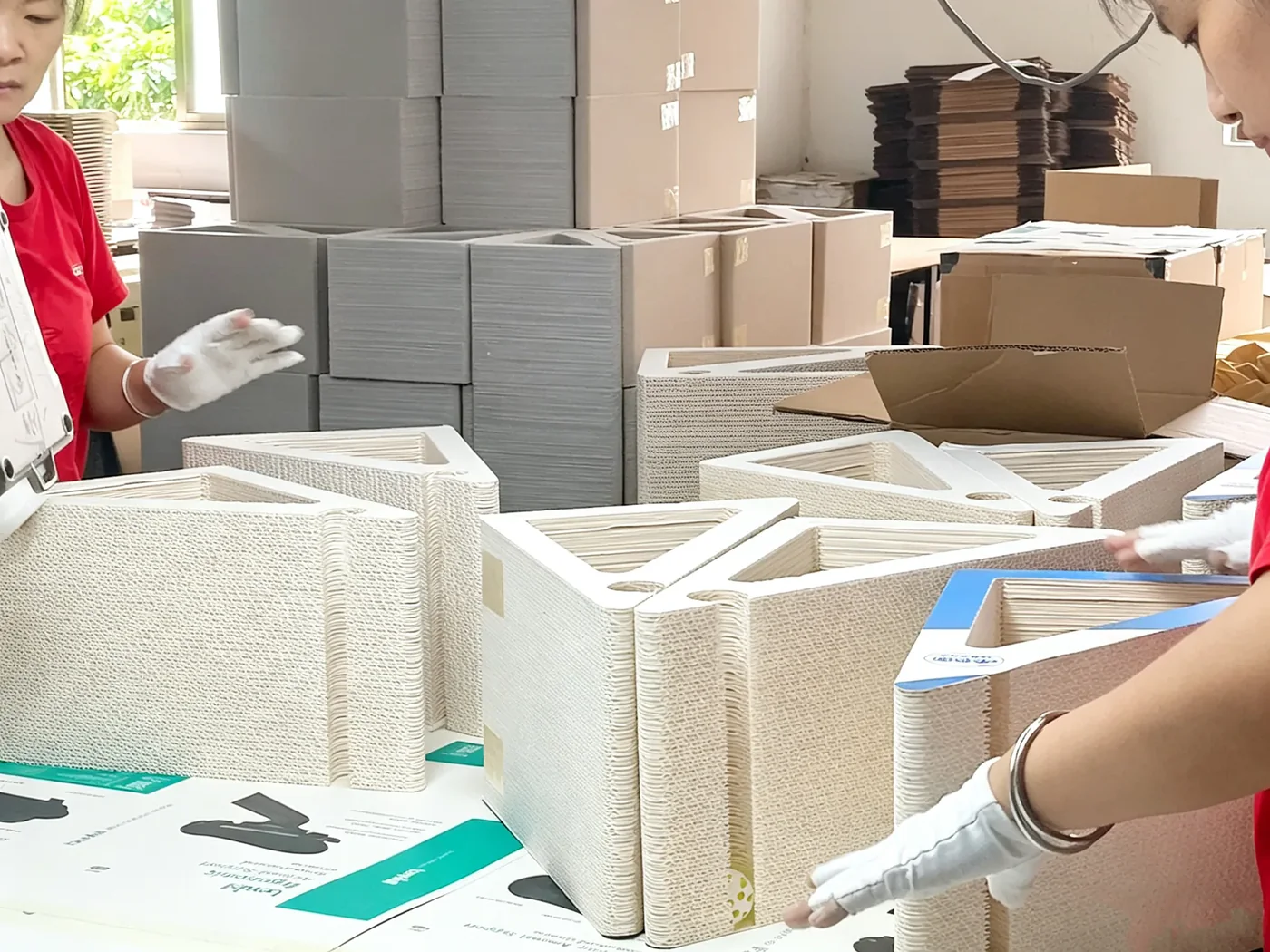
A leading US e-commerce and direct-to-consumer brand had two problems with its cat house. Assembly took 15 minutes, and complicated construction or damaged accessories drove returns. Parcels also carried a 6.5% outer-carton damage rate.
Shipping cost added pressure before the customer even opened the box. The buyer needed a lighter packed unit and a house that was easier to assemble. Fixing only the carton would leave the return problem inside it.
02 / THE CONSTRAINT
Less weight could not mean less protection
The project depended on crossing into a lower billed-weight tier. That made the complete packed weight important, including the product, mailer, and cushioning.
At the same time, the joints had to remove assembly work. We developed the structure and mailer together so the lighter shipment carried a simpler product, rather than transferring another problem to the customer.
03 / PRODUCT & PACKAGING ENGINEERING
A locking structure inside a lighter mailer
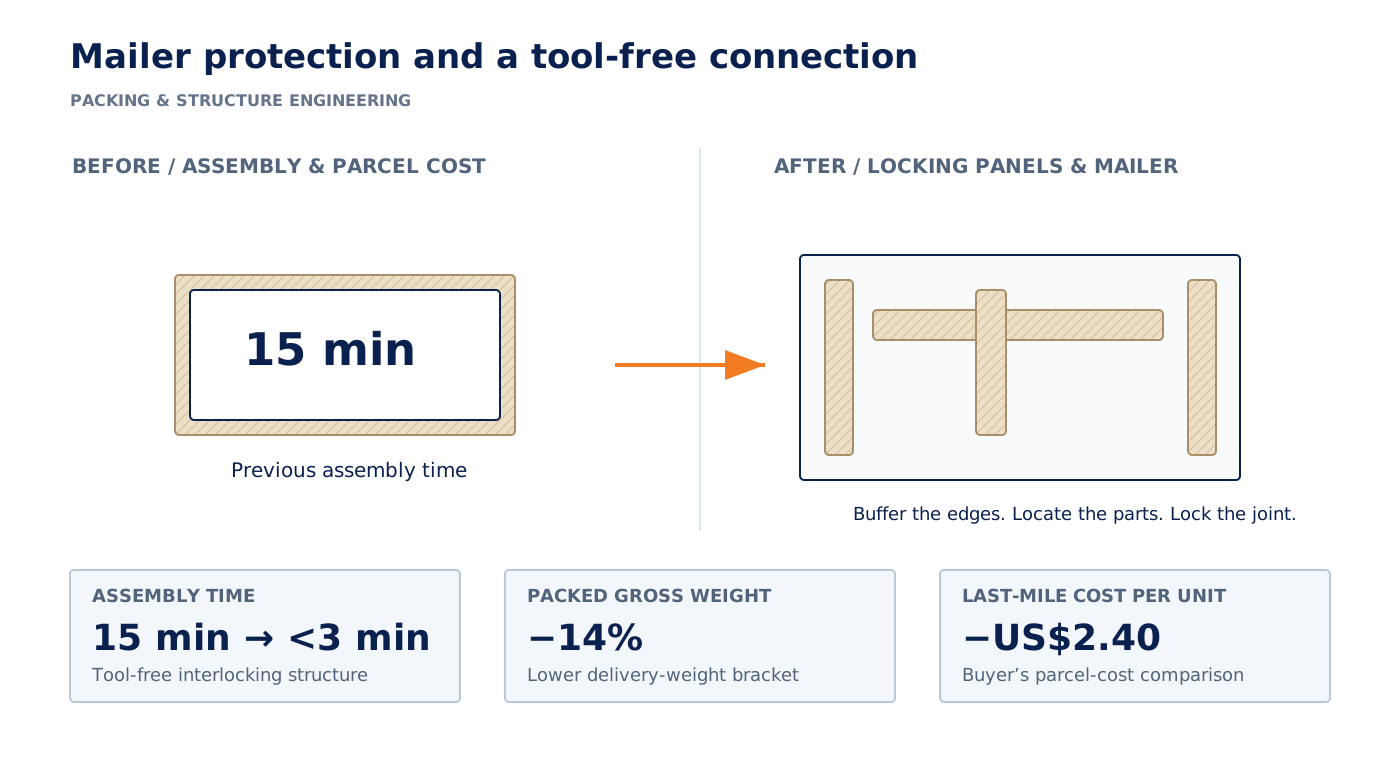
Replace the troublesome assembly with locking joints
We developed a tool-free locking structure and completed the first joint sample in three days. Positive engagement between parts offered a direct structural route to simpler assembly. The project comparison fell from 15 minutes to under three, addressing a source of frustration that revised instructions alone would have left in place.
Direct locking engagement reduces the assembly operations the customer must perform.
Keep cushioning in the packed-weight calculation
The mailer combined protective cushioning with the revised product. Complete gross weight per box fell by 14%. The buyer confirmed entry into a lower billed-weight tier and a US$2.40 reduction in delivery cost per unit. The saving came from that channel’s billing threshold, not a percentage assumed from lighter board.
A lower charge depends on crossing the carrier’s actual billing threshold.
Put the parcel arrangement through the project test plan
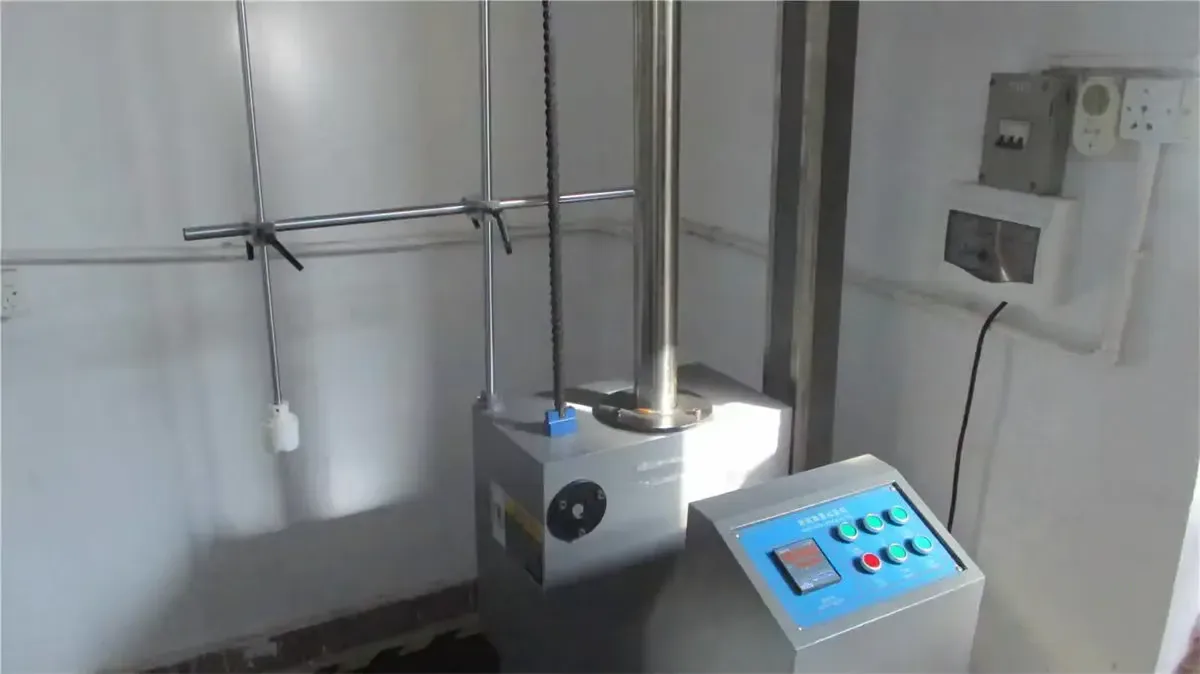
The parcel test plan cleared the six-face drop approval on day five, following the project’s ISTA-3A-related testing work. The cushioning needed to protect the locking edges as well as the visible panels, so arrival condition and assembly remained part of the same packing decision.
Cushioning belongs in the same design calculation as the mailer and product.
04 / SAMPLING, TESTING & RELEASE
Three-day joints, day-five parcel checks
 Locking sample3 days
Tool-free joint prototype.
 Parcel drop reviewDay 5
Project six-face test plan.
 First order15 days
Initial production cycle.
 Monthly replenishment12 days
Rolling program cycle.
The locking sample was ready in three days, followed by the day-five drop review. The first order took 15 days; rolling monthly replenishment then ran on a 12-day cycle for this program.
The approval addressed two moments in the customer journey: arrival and assembly. Outer-carton damage later fell to 0.4%, while the buyer reported an 82% reduction in returns attributed to difficult assembly or damaged accessories. These were the specific return reasons the redesign set out to address.
Release checks
- Approve locking-joint engagement and the assembly sequence.
- Weigh the complete product, cushioning, and mailer.
- Retain the day-five parcel test-plan record.
- Confirm the buyer’s billing tier and relevant return categories.
05 / DISPATCH & COMMERCIAL RESULT
The buyer saw the change in shipping charges and listing feedback
The lighter mailer saved US$2.40 per delivery in the buyer’s shipping arrangement. Assembly fell below three minutes, and the customer reported its listing rating rising from 4.1 to 4.8.
That rating came from the buyer’s sales channel. Its feedback linked fewer damage and assembly complaints with the simpler product, giving purchasing a result beyond the factory’s weight and sample records.
| What changed | Before | After | Project record |
|---|---|---|---|
| Assembly duration | 15 minutes | Under 3 minutes | Tool-free locking structure; project assembly comparison. |
| Gross weight per box | Original packed unit | 14% lower | Buyer confirmed a lower billed-weight tier. |
| Delivery cost per unit | Previous shipping arrangement | US$2.40 lower | Buyer-reported saving for the compared delivery arrangement. |
| Outer-carton damage | 6.5% | 0.4% | Reported project parcel-damage comparison. |
| Assembly- or accessory-related returns | Previous return level | 82% lower | Buyer-reported return category; not an all-cause return rate. |
| Customer-channel listing rating | 4.1 | 4.8 | Customer’s channel report, not a factory product-rating test. |

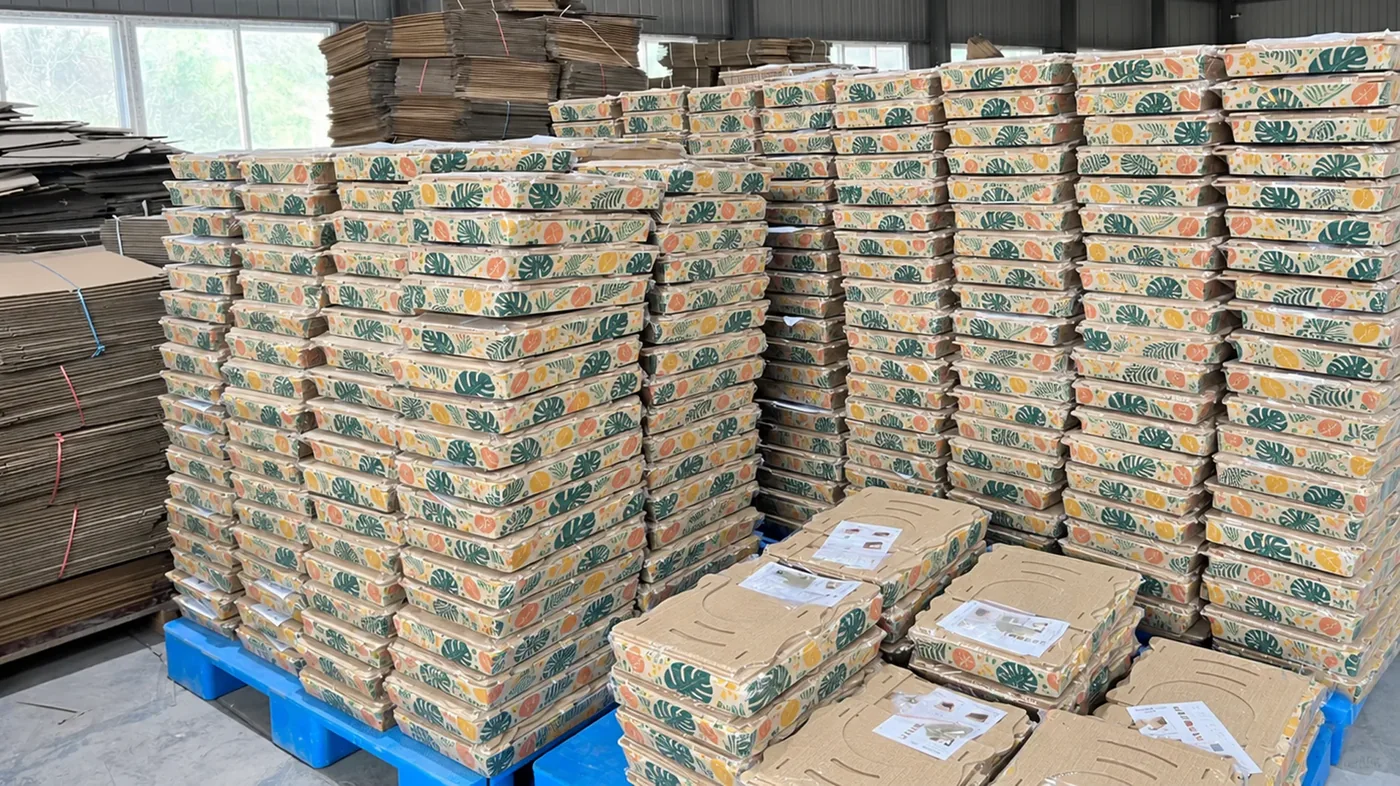
“We dropped into a lower shipping-weight tier. Complaints about damage and assembly have almost disappeared, and our listing rating went from 4.1 to 4.8.”
Purchasing team · United States
Planning a similar order?
Can a structural change reduce assembly-related returns?
It can address the underlying assembly problem. Here, locking joints reduced the assembly time from 15 minutes to under three; the buyer tracked the resulting change in the relevant return categories.
Will a 14% weight reduction save the same delivery cost?
Only your channel’s billing calculation can answer that. Send the complete packed dimensions, weight, carrier or fulfillment requirements, and current tier so the proposed pack can be assessed against them.
What parcel testing should we request?
Agree the protocol, acceptance criteria, sample identity, and reporting scope. This project used an ISTA-3A-related plan with six-face drop checks on day five; independent certification needs a separate documented scope.