What an OEM/ODM Cat Scratcher Factory Adds to Range Planning
Range planning begins before the first shape is drawn. A cat scratcher range is a family covering different jobs: an entry-level pad, a lounge or bed, a play piece, a multi-cat or modular set, or a seasonal item. Each role carries different floor-space, display, and shipping demands, so building a family differs from choosing one attractive shape.
An OEM/ODM cat scratcher factory contributes structural knowledge at this stage. In OEM work, the brand generally supplies the structure or artwork and the factory builds to it. In ODM work, the brand generally adapts a factory-owned design through print, color, size, or packaging. The useful question is which SKUs need brand-specific structure and which can start from an existing platform.
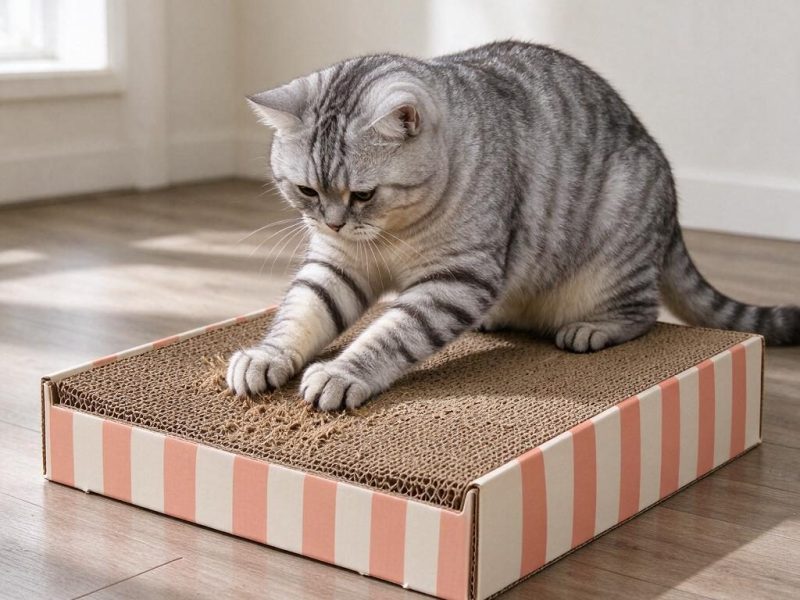
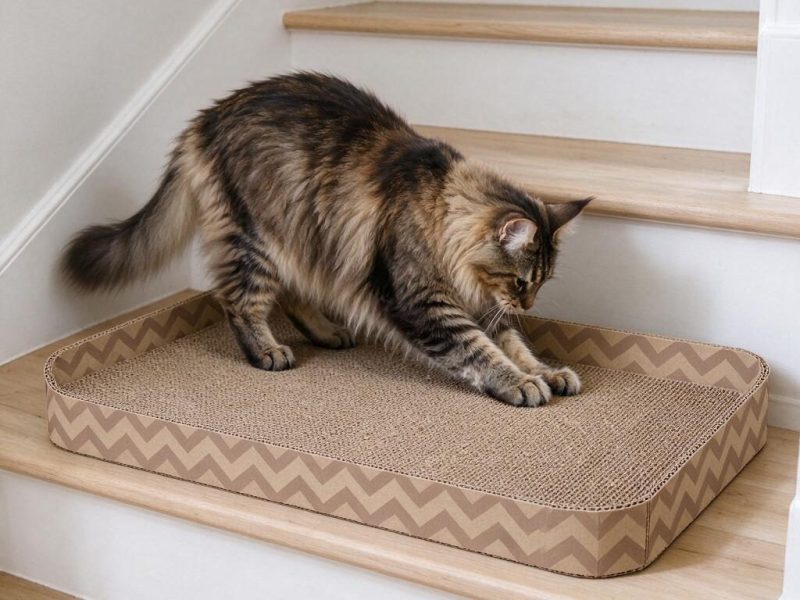
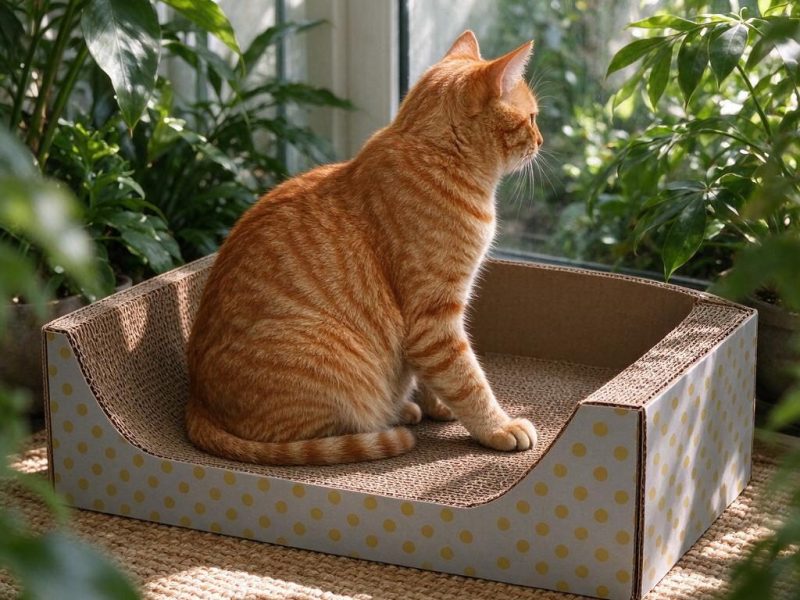
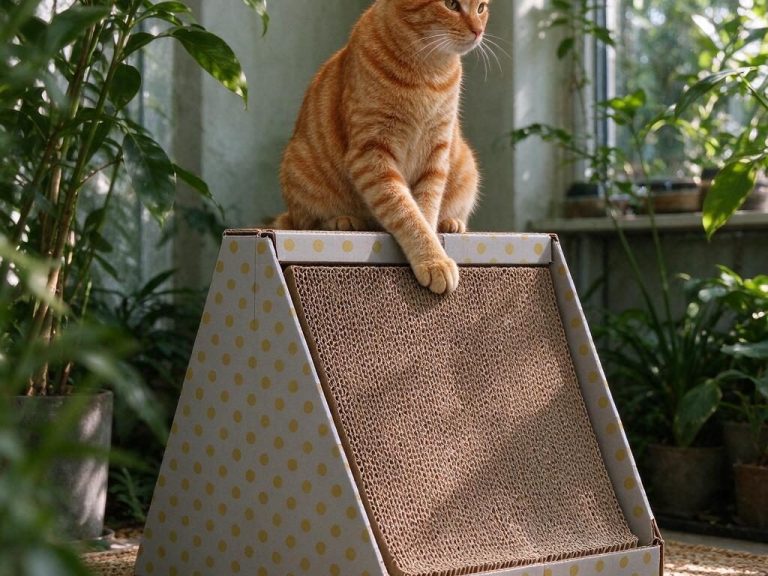
Petaful’s range shows why that distinction matters: pads and boards, lounges and beds, houses, posts, tunnels, and toys. Organizing by those structural families gives each group a role, so a planner can see which roles are already filled and which are still missing, rather than working from an undifferentiated SKU list.
Factory input matters most where a structure decision changes board grade, print method, or packed size. Those points belong in the brief before the range is costed. Modular and interlocking formats make the stakes concrete: connectors, joints, and the packed size of a complete set need to be confirmed on the sample, and a change to one of them can carry through the layouts built on that structure. Settling these details early keeps a revision from rippling across the family after samples are approved.
Start With Range Roles, Not a SKU Count
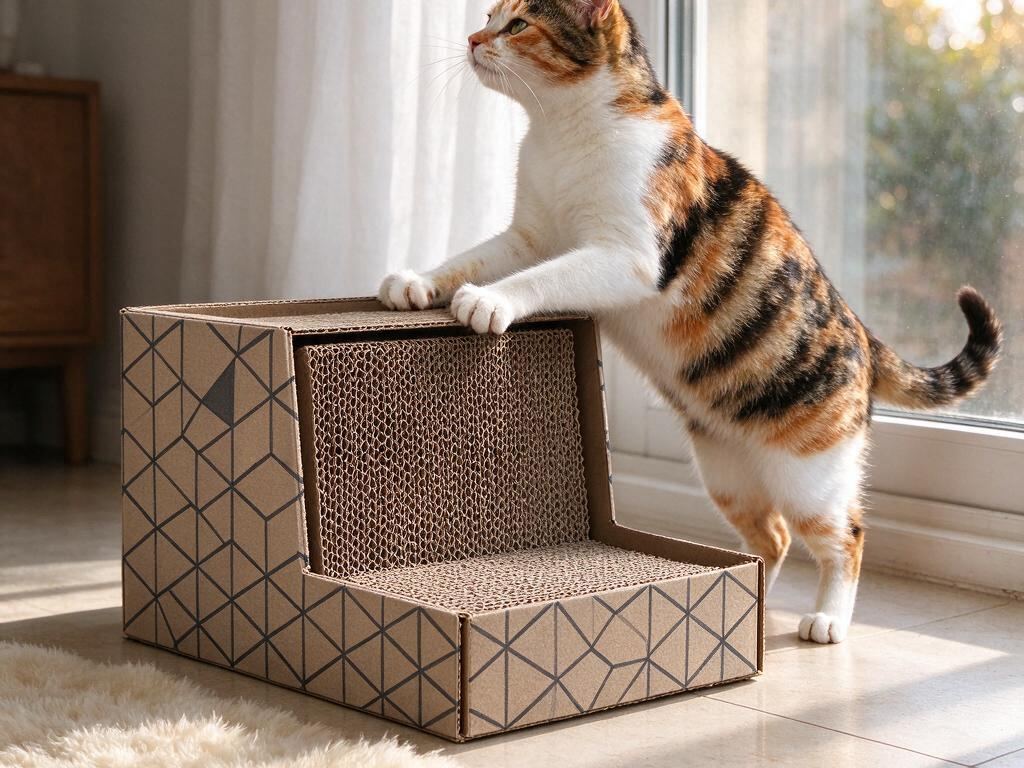
Each SKU earns its place by the job it does for the cat.
Before naming a shape, give each proposed SKU a one-line job description: entry-level scratching, daily lounging, active play, multi-cat use, gift or seasonal, or space-saving wall use. Writing the roles down first makes near-duplicates visible before they compete for the same shelf slot and the same shopper. Two entry-level pads in different artwork fill one role; an entry pad and a lounge fill two.
The role also points to the channel. A wall scratcher, a tunnel, and a modular cave occupy very different amounts of floor area, so each makes different demands on retail display and on the pack. A wall piece such as the Christmas tree wall scratcher hangs on a vertical face, while modular sets such as the three-piece cave or the modular lounge set are built from multiple pieces that a store needs room to show in their intended layout.
With roles settled, choose a small set of platform structures and vary print, color, and add-on components instead of developing a new structure for every SKU. That keeps the range visually recognizable as one family and limits how many SKUs become separate development projects. The catalog supports this approach because the items are presented as starting structures rather than fixed retail stock, with dimensions, graphics, flute, and pack confirmed on the sample.
Decide early whether replaceable pads, detachable pieces, or connectors are part of the offer. A framed scratcher with a replaceable pad, a two-in-one piece with detachable halves, or a set joined by buckles each changes the sample checklist and the packaging plan, so the answer belongs in the role definition rather than in a later revision.
Compare Structural Families Before Committing to a Range Mix
The families below differ in more than silhouette: each one sets a different cat-use pattern, a different packed form, and a different amount of sample checking. Use the table to sort families into a first range and a later drop. Exact dimensions and MOQ belong to individual SKUs, not to a structure type.
| Structure family | Range role | Cat-use pattern | Packing and display consideration | When it earns a place in the first range |
|---|---|---|---|---|
| Two-in-one cat-face scratcher | Convertible entry piece | Tunnel first, then two separate scratchers | Two layouts to approve; packed size must suit both | When one SKU should cover play and scratching |
| Modular chaise, four pieces | Anchor lounge | Reclining and scratching on an assembled form | Connectors and finished size must be settled before the carton | When retail floor space allows a larger assembled piece |
| Three-piece cave | Multi-cat or hide | Hiding inside, scratching outside, rearrangeable | Several layouts; buyers need assembly guidance | When the range targets multi-cat households |
| Morandi tunnel | Visual family builder | Chase and ambush through a tube | Color proof and assembled length matter | When print consistency across the range is the priority |
| Retro TV bed (WW-0030) | Gift or feature piece | Resting on a printed bed with a scratching face | Bulky for its standard build; artwork sells it | When gifting or seasonal display is planned |
| Flower scratcher with rolling balls | Impulse or play | Batting balls in an outer track, scratching the petals | Ball retention and packed size need checking | When a compact play unit is needed |
A workable first range often pairs one anchor that holds the display, one convertible piece, and one play or impulse unit. Modular sets can follow once the anchor’s sell-through is known, because each intended layout has to be checked on the sample, and that adds work before the simpler shapes have proved themselves.
Turn the Range Brief Into a Factory-Ready Specification
A brief that reads “five SKUs, cat scratchers, muted palette” gives a factory almost nothing to quote against. Quoting happens SKU by SKU, because board, print, and carton are costed per item. Each entry therefore needs to carry: intended use and the cat’s likely use pattern; assembled dimensions; packed dimensions, which are a separate number because a piece that measures a given size assembled still has to fit a retail carton; construction and board requirement, including flute where surface load matters; print and color, with a reference the printer can match; packaging format; and any moving or detachable part. Multi-layout products show why the last field matters: where a design can be arranged into more than one form, the brief has to dimension each layout rather than one.
Within that structure, separate the elements that must be exactly yours from those that can follow an existing ODM platform. A printed face, a signature color, a branded carton: brand-critical. Flute grade, internal fit tolerance, a standard connector: usually open to adaptation, and simpler to leave open. The distinction tells the factory where to push back with questions and where to simply produce.
Agree the sampling order at the same time. Review the core platform first, then print or component variations, then packaging, so a single unresolved SKU does not stall the rest of the range.
Published terms give a starting point rather than a range-wide commitment. Selected Petaful product pages list MOQ 200 and a 5–7 business-day sample window, the latter following artwork. Confirm both per SKU before consolidating a total.
What to Check on Samples Across a Whole Range
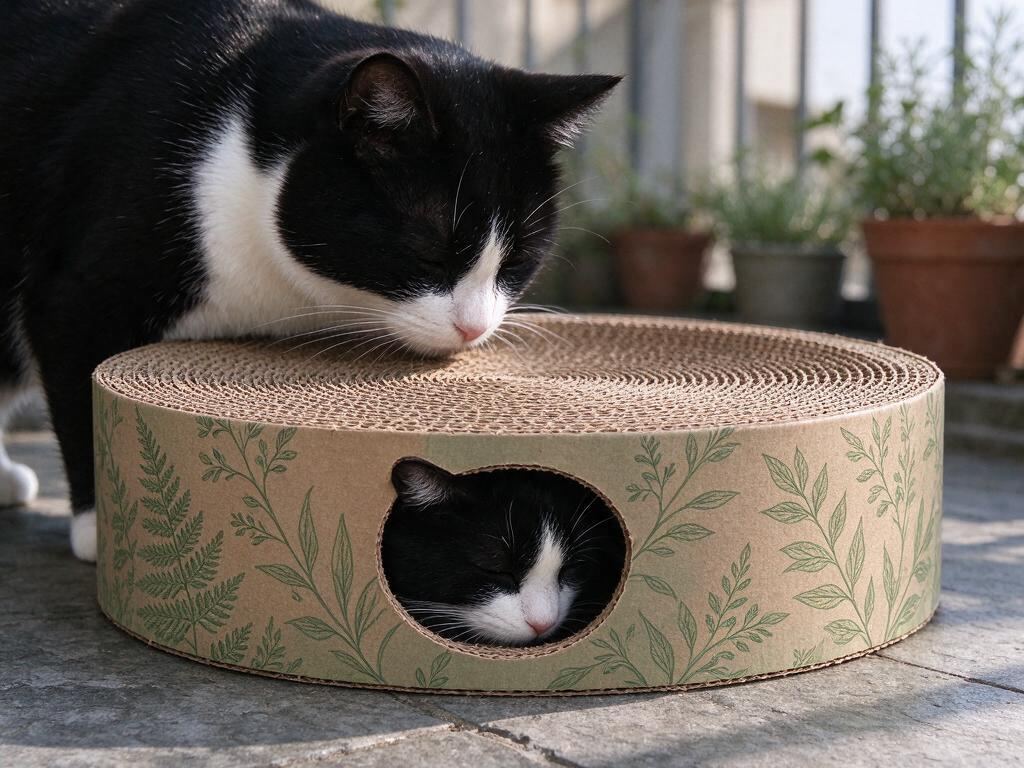
Every promised layout deserves a real check on the sample.
Sample review for a range differs from approving a hero SKU. The question is not whether one sample looks right; it is whether every SKU behaves as the brief described, in every configuration the range promises to sell.
Layout comes first. Convertible and modular pieces arrive as one product but several arrangements: the two-in-one cat scratcher forms a tunnel or two separate scratchers; the three-panel foldable can lie flat, stand upright, or fold into a nook; the three-piece cave can be set up as a cave or a scratching set. Assemble each intended layout, not the one that photographs best. If only the main configuration is built in the sample room, the other layouts ship unchecked, and fit can differ between them because the same panels meet at different angles in each position. The same logic applies to a sliding element such as the layered scratcher’s pull-out section, which needs checking at both ends of its travel.
Connectors need separate review on modular and interlocking sets. On the modular chaise or the three-piece cave, check the joint and stability on the assembled sample rather than assuming a joint that holds in one arrangement carries over to another. Build the full set, then confirm finished size with the joints at their real clearance rather than hand-held tight.
Moving and replaceable parts form the third category. Ball retention on the flower scratcher, refill-pad fit and frame finish in the framed design, and edge finishing where die-cut board is exposed all need handling, not photographs; a track can look correct and still fail to hold its balls when the piece is moved.
Print and packing close the loop. Approve the color proof against the carton, and check packed dimensions across the set, since a tunnel whose muted geometric print is approved still has to fold into its retail box and suit the display plan.
Phase the Rollout Around Tooling, MOQ, and Reorder Logic
Range width depends on three practical constraints: how much tooling each SKU requires, how MOQ is counted, and whether the item can be repeated cleanly later.
Tooling. On an ODM route, the structure already exists as a mold, so the brand’s contribution is print, color, and packaging rather than new die work; Petaful’s in-house mold library is the pool an adapted SKU draws from. An OEM route begins with a drawing and a structure review, and that is where new tooling enters the plan. The practical split is to launch range breadth on existing or lightly adapted structures and reserve custom development for the piece that carries the brand. A signature lounge may justify its own tooling; a fourth variation on a scratching pad usually will not.
MOQ. The MOQ 200 shown on selected product pages, including the Two-in-One Cat-Face Scratcher (ZB-0120) and the Flower Cat Scratcher (WJ-0013), applies to that SKU, not to a range. Because each structure carries its own current term, total commitment rises with each SKU added, so confirm the term for every structure you intend to keep before fixing range width. Until a SKU’s MOQ is confirmed, it is safer to leave it out of the phased plan than to count it as approved.
Reorder logic. Keep the approved sample, artwork file, color proof, and packed dimensions together as the single reference standard for each SKU. A reorder then becomes a match against an agreed record instead of a fresh specification round, and a later phase can be costed from the same file rather than from memory.
For a Petaful-led project, the next step is to shortlist structures from the cat scratcher category, request samples of those specific SKUs, and confirm board, size, and print on the samples.
Questions
Does the MOQ 200 shown on product pages apply to a whole cat scratcher range?
No. It applies per SKU, since each structure carries its own current term, so adding SKUs raises total commitment. Confirm the MOQ for every structure before fixing range width.
How do I decide which SKUs should be OEM and which can be ODM?
Use OEM where the structure itself carries the brand, such as a signature lounge that justifies its own tooling. Start other roles from existing ODM platforms and vary print, color, size, or packaging.
What should I check on a modular or convertible scratcher sample?
Assemble every layout the product promises to sell, not just the one that photographs best. Check connectors and stability with joints at real clearance, then confirm finished and packed dimensions.
Can a sample be ready in 5–7 business days?
Selected Petaful product pages list a 5–7 business-day sample window, counted after artwork. Treat it as a per-SKU starting point and confirm the timing for each structure you shortlist.

His guides cover board selection, structural samples, OEM/ODM development and export packing for corrugated cat products. They help purchasing teams compare specifications, prepare a product brief and agree sample and packaging requirements before production.